Popularność gier z trybem misji

Gry wyposażone w system misji i nagród za zadania stanowią ok. 5% katalogu, ale generują ponad 10% aktywności; tego typu tytuły promowane są również w kasyno Ice.

Wpływ opłat transakcyjnych

Około 70% graczy rezygnuje z kasyn pobierających opłaty za wpłaty, dlatego serwisy typu Bison gwarantują brak prowizji przy depozytach zarówno kartą, jak i BLIK czy e-portfelem.

Gry karciane wśród graczy casual

Wśród graczy casual, grających raz–dwa razy w tygodniu, gry karciane stanowią około 15–20% sesji, a w Beep Beep bonus najczęściej są uzupełnieniem slotów i ruletki.

Wzrost popularności crash w ciągu 3 lat

Między 2022 a 2025 rokiem liczba aktywnych graczy crash Lemon opinie forum wśród polskich użytkowników wzrosła szacunkowo 3–4-krotnie, a miesięczna liczba rund w nowych tytułach rośnie o 15–25% rok do roku.

Zakaz gry kredytowanej

Polskie regulacje zabraniają oferowania kredytu na Vulcan Vegas pl grę lub pożyczek powiązanych z hazardem; operatorzy muszą wykluczyć jakiekolwiek mechanizmy „play now, pay later”, a naruszenie tego zakazu należałoby do najpoważniejszych naruszeń ustawy.

Gry RNG kontra live casino

W Polsce około 70% gier rozgrywa się przy stołach RNG, a 30% w trybie live; w Bet kasyno proporcje stopniowo przesuwają się na korzyść stołów na żywo dzięki polskim krupierom.

Ryzyko prawne dla operatorów

Raporty kancelarii CMS, Bird&Bird i ICLG przypominają, że oferowanie kasyna online bez polskiej licencji może skutkować wpisem do rejestru, blokadą płatności i karami; dotyczy to wszystkich brandów, włącznie z tymi o konstrukcji zbliżonej do GG Bet kod.

3

Halal Food Production

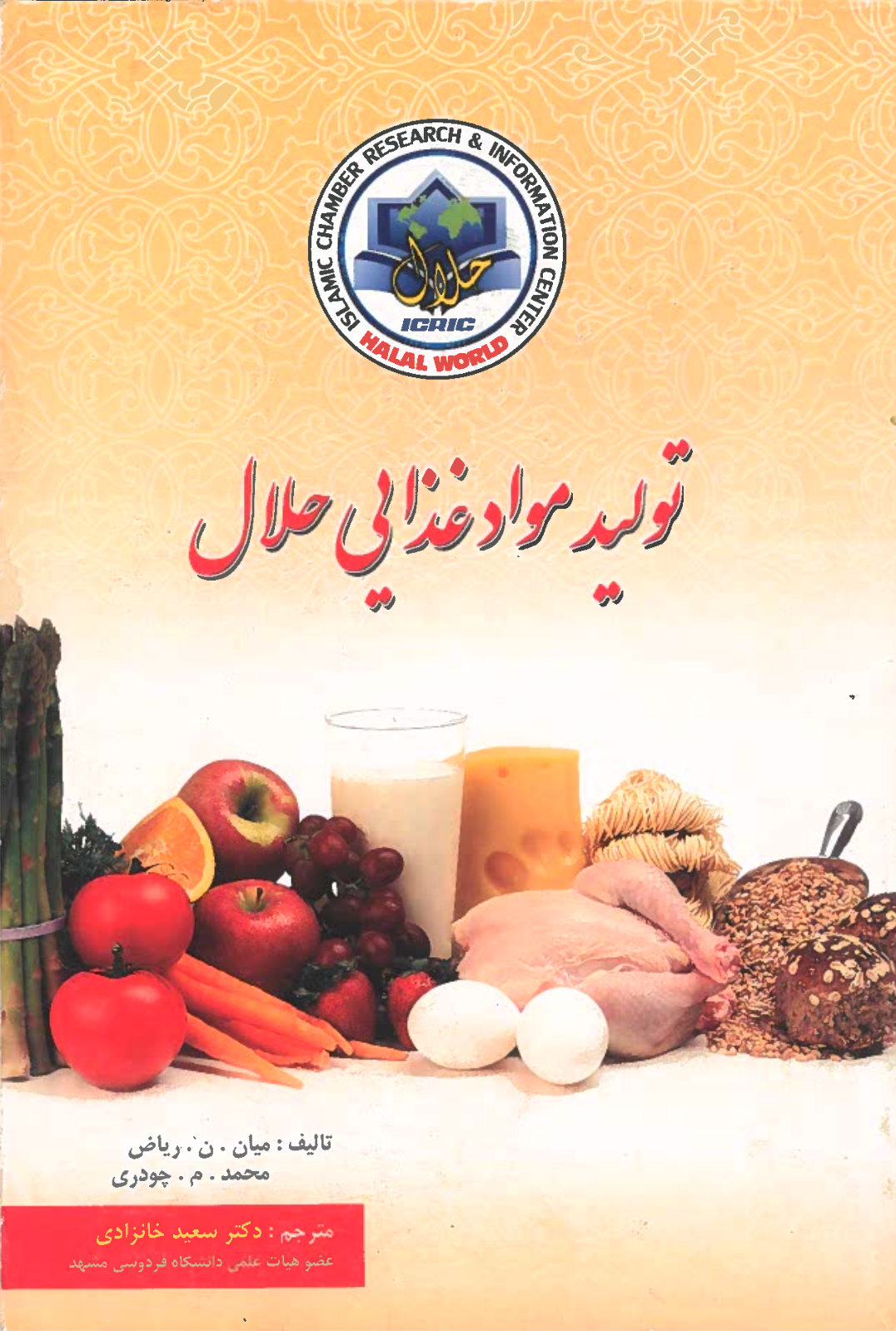
Until now, books addressing Halal issues have focused on helping Muslim consumers decide what to eat and what to avoid among products currently on the market. There was no resource that the food industry could refer to that provided the guidelines necessary to meet the Halal requirements of Muslim consumers in the United States and abroad.

Halal Food Production answers this need by summarizing the fundamentals of Halal food production, serving as a valuable reference for food scientists, food manufacturers, and other food industry professionals. This text delivers a wealth of information about Halal food guidelines for food production, domestic and international food markets, and Halal certification.

Among chapters that cover production requirements for specific foods such as meat and poultry, fish and seafood, and dairy products, there are other chapters that address global Halal economy, Muslim demography and global Halal trade, and comparisons among Kosher, Halal and vegetarian. The book presents Halal food laws, regulations, and general guidelines for Halal food Production.

In light of the increasing worldwide demand for Halal food service, branded packaged food, and direct-marketed items, this volume is more than an expert academic resource; it is a beneficial tool for developing new and promising revenue streams.

This books is available in four languages; English, Korean, Chinese and Persian.
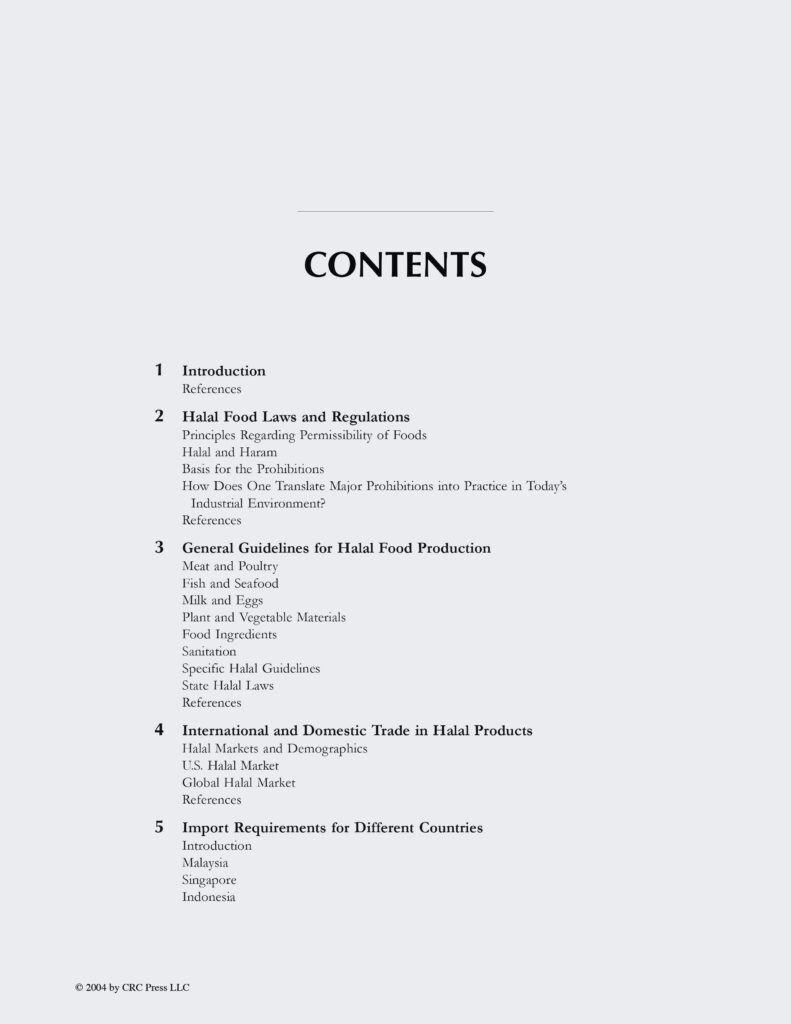
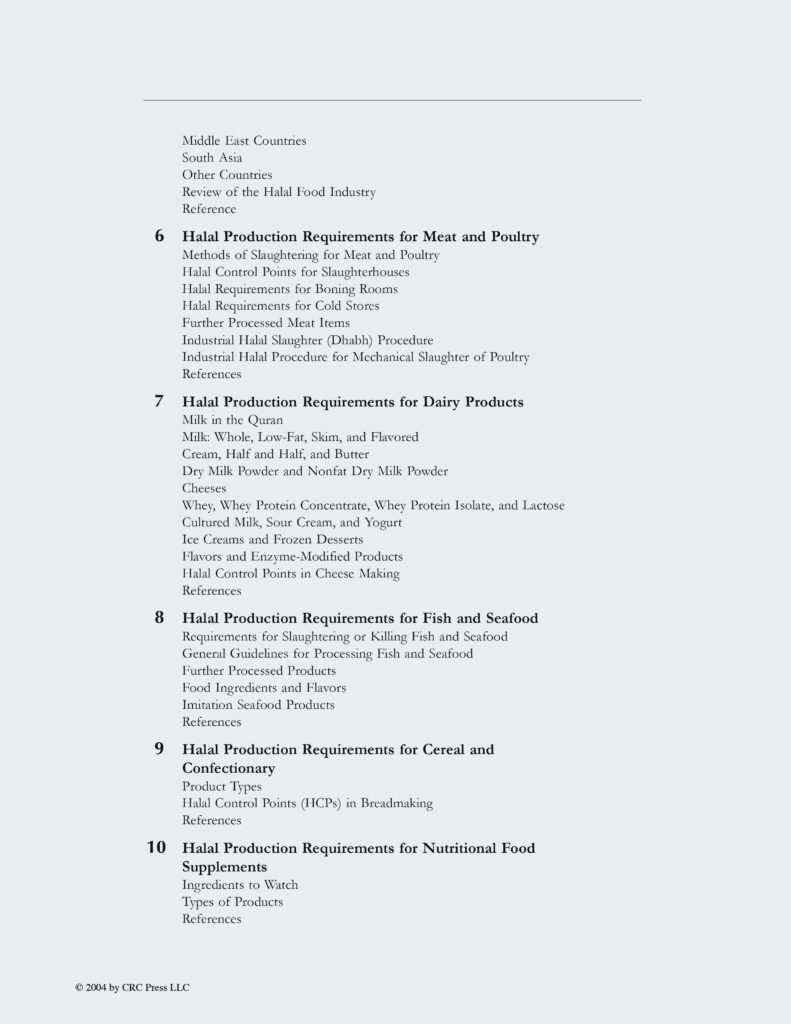
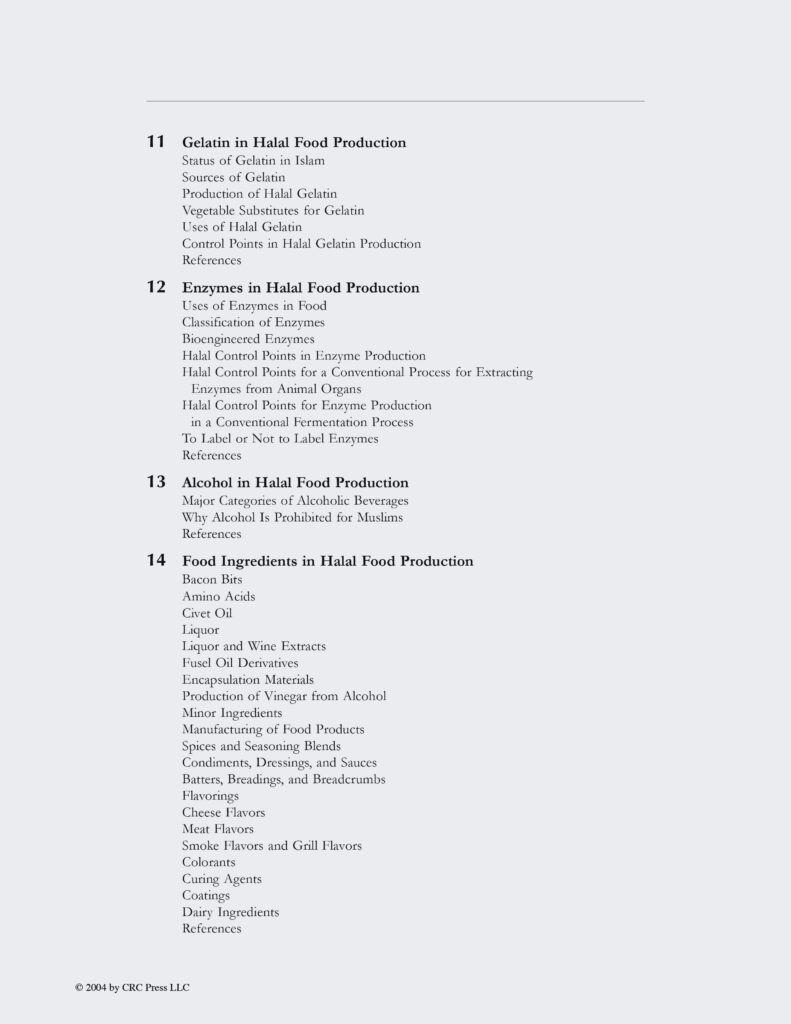
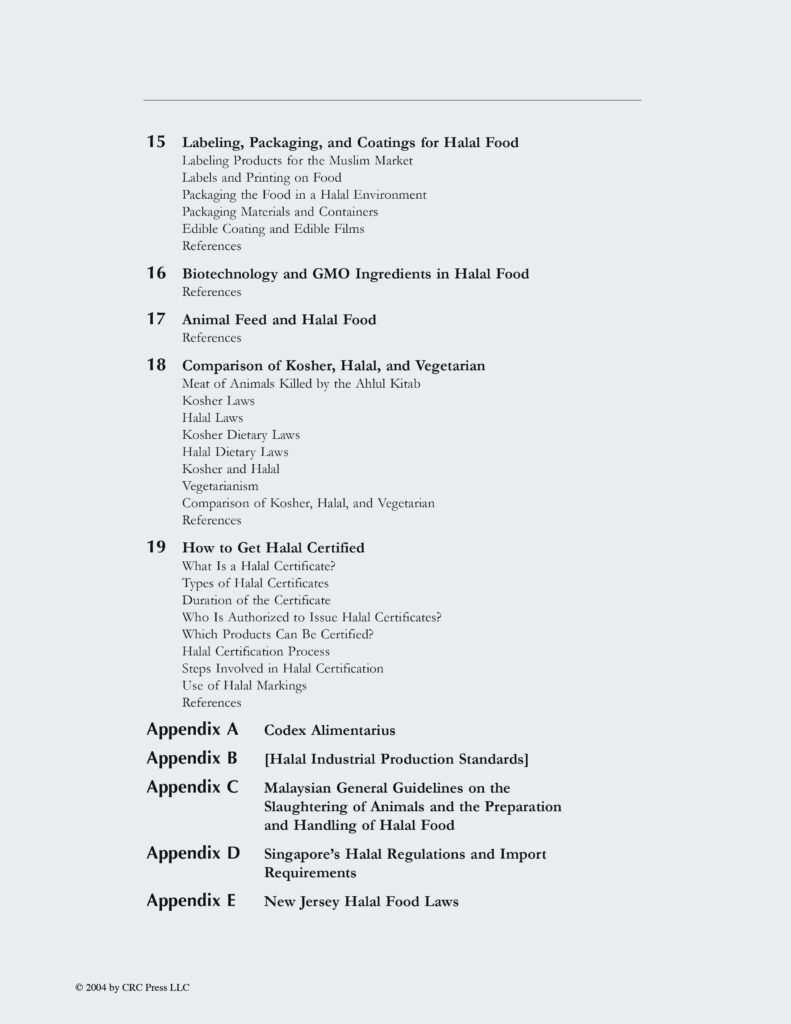
Table of Contents

Editors

Dr. Mian Nadeem Riaz is a Professor of Food Diversity in the Food Science Department, Director for the Extrusion Technology Program and Graduate Faculty in the Food Science and Technology program at Texas A&M University, USA.

Dr. Muhammad Munir Chaudry is founding member, President and CEO of IFANCA®, The Islamic Food and Nutrition Council of America, headquartered in Chicago/Park Ridge, Illinois USA.

Both editors are food scientists who have practical experience in Halal food requirements and Halal certification and the contributors are experts in the Halal food industries.

Best Sellers

Join the growing community of readers who have made this book an exceptional success. Embrace the world of halal food production with confidence and expertise. Get your copy of the Handbook of Halal Food Production, the ultimate guide to excellence in halal practices.”